

The first 24 hours after your baby’s arrival are a whirlwind of emotions, hormones, and learning curves. Many parents imagine an instant picture-perfect moment, but in reality, this day is full of natural adjustments for both you and your newborn. Knowing what to expect helps you feel more confident, calm, and prepared for this incredible transition.


What Happens Right After Birth
Once your baby is born, the focus shifts from labour to recovery and bonding. Immediately after delivery, your baby will be placed on your chest for skin-to-skin contact, which helps regulate their body temperature, heart rate, and breathing. This close contact also triggers bonding hormones and supports early breastfeeding.
(If there has been an emergency delivery, caesarean section, or your baby needs medical attention such as breathing support, skin-to-skin may be delayed until it is safe for both of you.)
Your midwife will check your baby’s vital signs such as breathing, colour, and alertness while keeping them close to you. In most cases, routine checks such as weighing and measuring are delayed to allow uninterrupted bonding time.
If you had a vaginal birth, you might experience afterpains as your uterus contracts back to its normal size. If you had a caesarean section, the first few hours will focus on pain relief and gentle recovery.
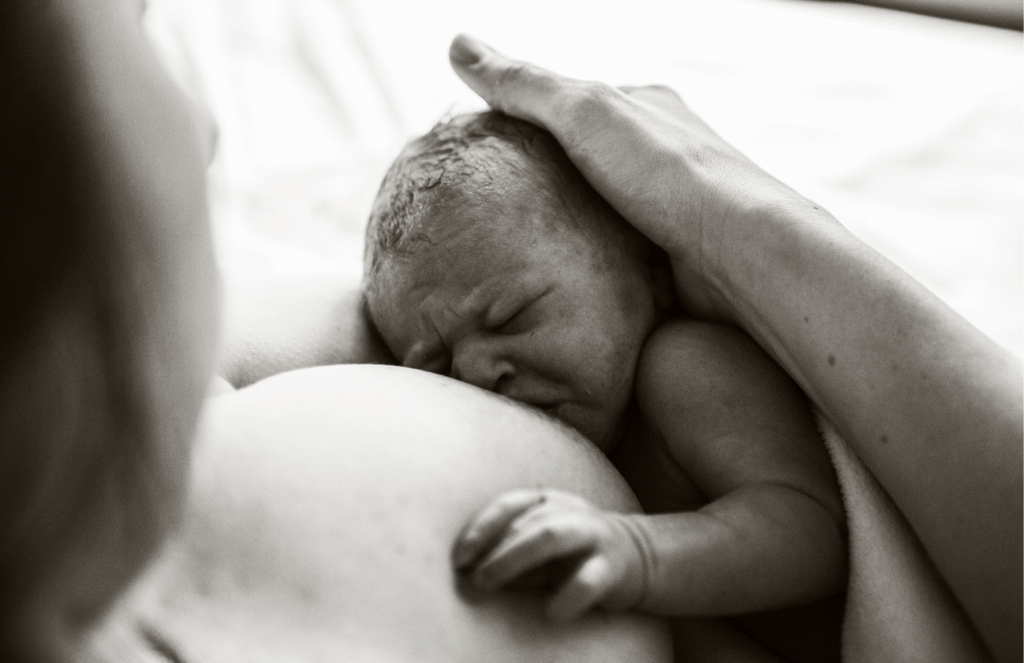
The First Feed
Most babies show signs of wanting to feed within the first hour of life. This period is often referred to as the “golden hour”, a crucial time immediately after birth when your baby is awake, alert, and ready to make their first connection with you. Keeping your baby close during this time supports bonding, helps stabilise their breathing and heart rate, and encourages the first successful feed.
Some babies latch and feed right away, while others are sleepy and take their time. Both are completely normal.
Colostrum, the thick yellowish milk your body produces first, is packed with antibodies and nutrients. Even a few drops go a long way in building your baby’s immune system. If you plan to formula feed, your midwife will guide you on safe preparation and feeding techniques.


Your Baby’s First Checks
Within the first few hours, your baby will have several quick assessments, including:
-
- Apgar score: Checks breathing, heart rate, muscle tone, and reflexes at 1 and 5 minutes after birth.
-
- Vitamin K injection: Prevents bleeding disorders.
-
- Newborn physical exam: Usually done within 72 hours by a doctor or midwife.
Your baby’s temperature, heart rate, and feeding pattern will be monitored regularly during this time to ensure all is well.
What to Expect From Your Body
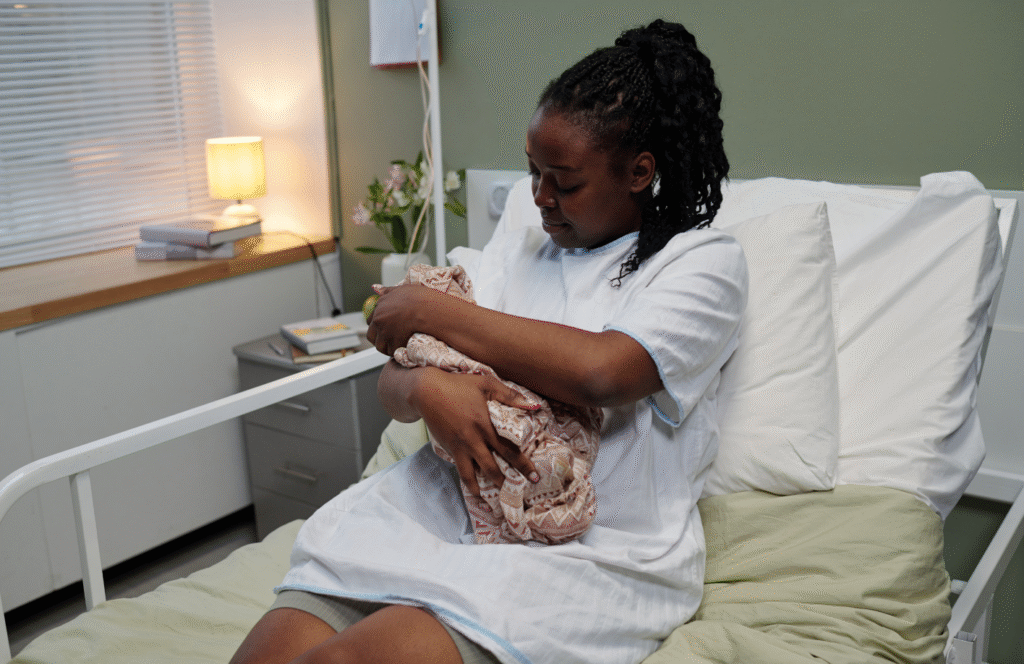
Your body has just done something extraordinary, and it needs care and rest. It’s completely normal to experience:
-
- Bleeding (lochia): Like a heavy period at first, gradually reducing over days and weeks.
-
- Soreness or stitches: Especially if you had a tear or episiotomy.
-
- Breast changes: Your breasts may feel tender or heavy as milk production begins.
-
- Hormonal shifts: You might feel emotional, teary, or anxious. This is the body’s way of adjusting after birth.
Try to rest as much as possible and accept help from your partner or loved ones. Hydration, gentle meals, and support make a huge difference.
The Emotional Rollercoaster
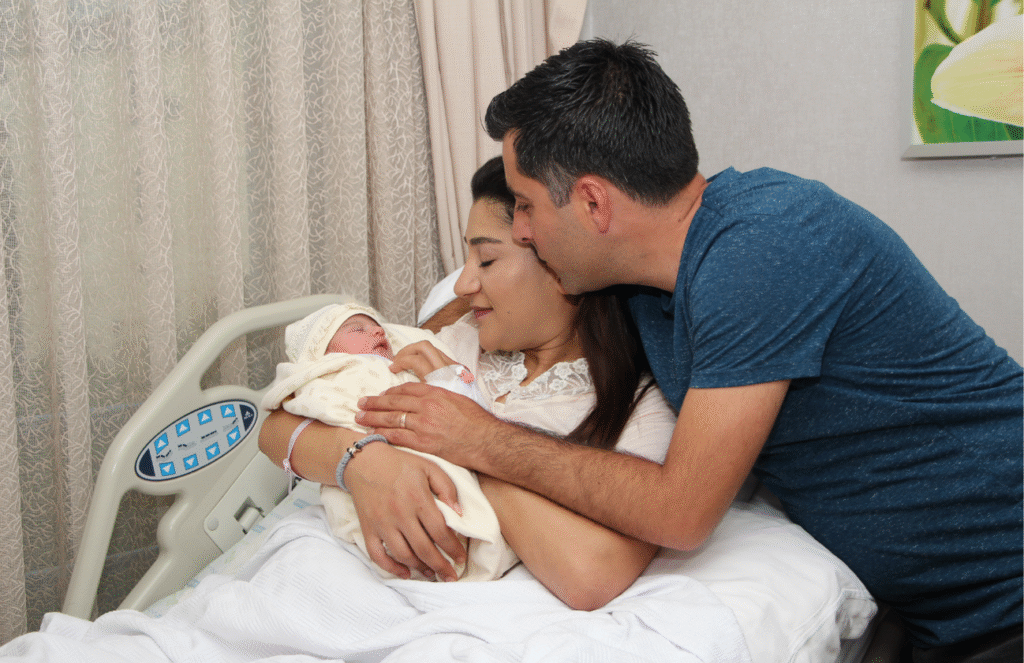
Many new parents are surprised by how overwhelming the first day can feel. You might swing between joy, exhaustion, fear, and love, sometimes all within minutes. Remember, it’s okay not to feel okay. These feelings are valid and temporary.
Talking openly with your partner, midwife, or support group can help you process the experience. You’ve just met your baby, and you’re both learning.
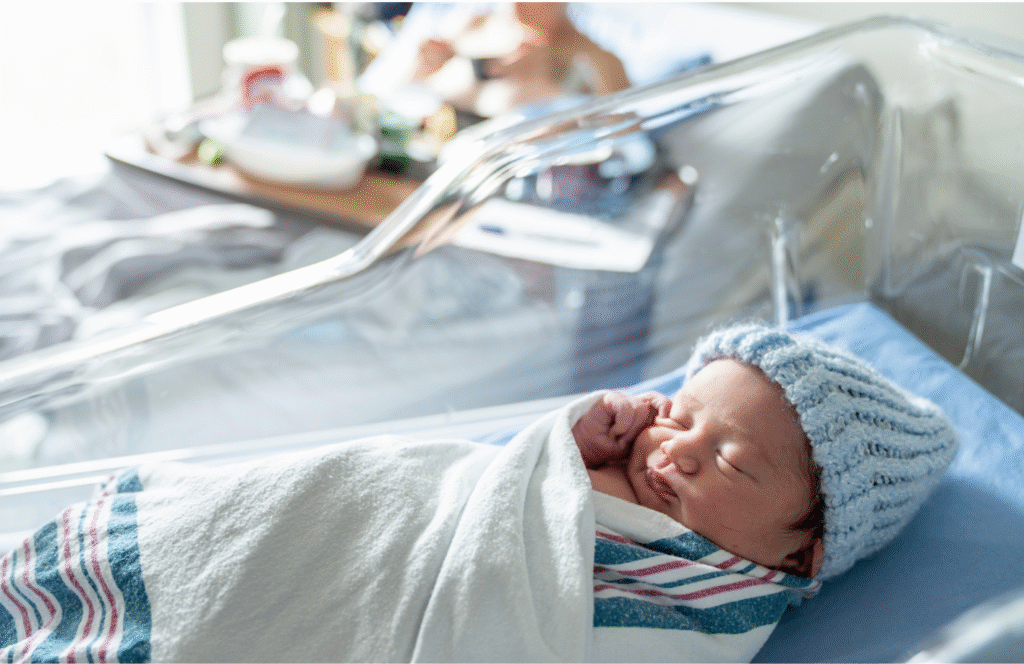
Your Baby’s First 24 Hours: What’s Normal
Newborns sleep a lot, sometimes up to 16-18 hours a day, but in short bursts. They may also:
-
- Cry often: This is their only way to communicate.
-
- Feed frequently: Tiny tummies need regular refilling.
-
- Pass meconium: The first dark, sticky poo that shows the digestive system is working.
-
- Lose a little weight: Up to 10% loss is normal and usually regained in a few days.
You’ll learn to read your baby’s cues, such as hunger, tiredness, or comfort, and this connection will grow stronger every day.
Tips for a Calm First 24 Hours
-
- Keep your baby close: Skin-to-skin contact helps regulate their body and calms both of you.
-
- Accept help: You do not have to do everything yourself.
-
- Ask questions: Your midwife is there for you, and no question is too small.
-
- Responsive feeding: Follow your baby’s hunger and comfort cues rather than the clock.
-
- Stay hydrated: Especially important if you’re breastfeeding.
-
- Be kind to yourself: You are healing, adjusting, and learning.

When to Call for Help
If you notice any of the following, contact your midwife or seek medical help immediately:
-
- Heavy bleeding (soaking a pad in under an hour)
-
- Severe abdominal pain
-
- Fever or chills
-
- Signs of infection at a wound site
-
- Baby not feeding, overly sleepy, or floppy
-
- Baby’s lips or skin turning blue
Early support and reassurance are key to keeping you and your baby safe.

Viv’s Thoughts
The first 24 hours with your newborn are raw, beautiful, and intense. It’s a time of discovery and bonding, not perfection. Forget the picture-perfect scenes because what matters most is that you and your baby are together, safe, and supported.
Take it minute by minute, and remember that every new parent feels uncertain at first. You’re doing better than you think.
