

I = Infant Crying Is Normal
As a midwife one of the first things I tell new parents is this: crying is normal. It may sound obvious, but when you are holding a screaming baby for the third night in a row it does not feel normal at all. It feels endless, stressful, and sometimes even frightening.
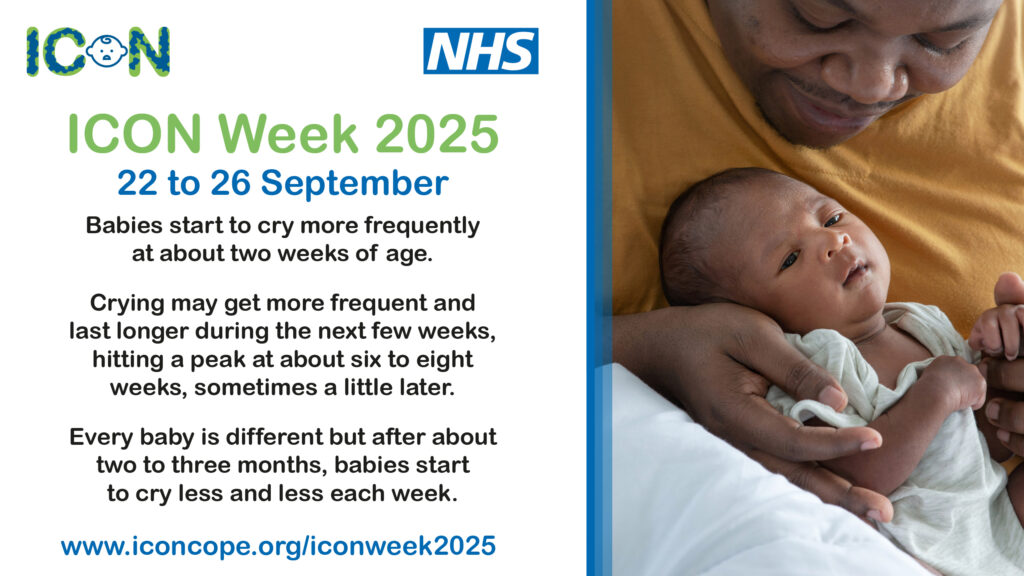
Crying is a baby’s first language. It is how they communicate hunger, tiredness, discomfort, or the simple need for closeness. Studies show that crying tends to follow a pattern. Babies usually cry more at two to three weeks of age, it peaks around six to eight weeks, and then gradually reduces by four to five months. This is sometimes called the period of PURPLE crying.
Crying as a Language
I often explain to parents to think about crying as a language they do not yet understand. For example, when a baby cries during a nappy change it can sound like the worst pain imaginable. In reality, the baby is simply saying “I am cold” in a completely normal tone, but to our ears it comes out as a cry.
It is the same when I speak to my children in Hungarian. To someone who does not understand the language, it might sound sharp or as if I am telling them off, when in reality I might just be saying kindly, “Go wash your hands.” Crying is similar. If parents shift their mindset to see crying as communication rather than distress, it becomes much easier to handle.
This perspective is especially valuable in stressful situations. When your baby is hungry and crying while you are getting into position for breastfeeding or preparing a bottle, it helps to remind yourself: your baby is not in pain, not starving, simply saying “I am hungry” in their own voice. We hear it as a cry, but it is just their normal language.

Part of Normal Development
It helps parents to know that their baby is not crying because something is wrong, or because they are failing as parents. They are crying because that is what babies do. It is part of their normal development.
Some babies cry more than others. Some cry mostly at night, others during the day. Some settle quickly with cuddles, feeding, or rocking, while others continue no matter what you try. The important message is this: crying is normal and it will pass.

Responding with Love
Parents often worry about spoiling their baby by responding too quickly. Let me reassure you: you cannot spoil a newborn with love. Responding to your baby’s needs builds security and trust. The more secure they feel, the more confident they will grow in the long term.
When the crying feels too much, remember the first step of ICON: infant crying is normal. You are not alone in this journey.
Coming Tomorrow
Tomorrow I will share the “C” in ICON, which looks at the comforting methods that can help.

2 Responses